
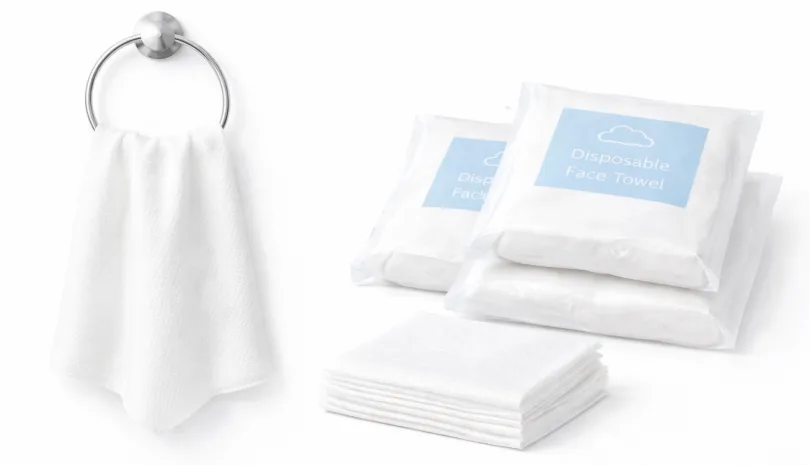
An amenity kit is the one piece of a journey passengers take home. Airlines know it, which is why business-class kits carry designer collaborations; hotels know it, which is why welcome kits migrate from the bathroom shelf into guest reviews. For the buyer — an airline procurement team, an onboard-services caterer, a hotel group or a distributor supplying them — the kit is really a small assembly project: eight or ten components, a branded bag, and a packing operation that turns them into one SKU. This guide covers what goes into travel amenity kits at each service tier, the bag options that define how the kit feels, and how customization and assembly work when you order at volume.
Who Buys Amenity Kits
Four channels drive the category. Airlines buy through onboard-service procurement or catering partners, in tiered programs by cabin class and route length. Hotels and resorts buy welcome kits and spa/gym kits as an extension of their room amenity program. Rail, ferry and cruise operators run sleeper-class kits with airline-like logic. And corporate buyers order travel kits as onboarding gifts and event merchandise. The components overlap almost completely — which is why one consolidated supplier can serve all four from the same component families. (related products)
Components by Service Tier
| Tier | Typical contents | Bag format |
|---|---|---|
| Economy / short-haul | Eye mask, earplugs, dental kit (or refresh wipe) | Simple pouch or flow-pack, often kraft or non-woven |
| Economy long-haul / premium economy | + socks, comb, lip balm | Zip pouch, printed |
| Business class | + skincare minis (moisturizer, lip balm), pen, headphone covers, shoe horn or bag | Structured zip case or drawstring bag, co-branded |
| First class / luxury | Full skincare set, slippers upgrade, pajamas (separate), premium hard or leather-look case | Keepsake case designed for reuse |
| Hotel welcome / spa kit | Dental kit, slippers, comb, shower cap, vanity set, optional local touches | Box, drawstring or mesh bag |
Each line of the table is an assortment decision, not a fixed recipe — carriers add and drop items by route, season and budget. The planning discipline is to fix the anchor items (eye mask, socks, dental kit) and treat the rest as a rotating layer that keeps the kit feeling fresh on repeat routes.
The Components, Specified
Eye masks range from single-layer polyester to padded, contoured masks with adjustable straps; fabric hand-feel is the first thing a passenger notices. Socks are specified by material and knit weight — a step from thin polyester to brushed or terry knit is a small cost for a large perceived upgrade. Earplugs are PU foam or silicone, always individually wrapped. Dental kits carry the same logic as hotel kits: toothbrush handle material and bristle grade set the tier, and toothpaste rides along in small tubes sized for onboard use. Combs, shoe horns, headphone covers and slippers round out the hard goods — slipper grammage and sole type follow the same tiers as hotel programs.
Skincare items — lip balm, moisturizer, mist — are cosmetics in every regulatory sense: they need compliant formulas, INCI ingredient labeling and, for the EU, cosmetic-regulation compliance including product notification. Buy them from cosmetic-certified fillers (your kit supplier should be sourcing them that way), and confirm shelf life against your consumption cycle. Some carriers additionally specify vegan or halal-compliant formulations — state this requirement upfront, because it narrows the filler shortlist.
The Bag Is the Product
Passengers discard the socks and keep the bag, so material choice does most of the branding work:
- Polyester / microfiber — the printed workhorse for economy and premium economy
- Cotton canvas and felt — natural hand-feel for business tiers and hotel kits
- RPET (recycled PET) — recycled-content fabric with the same print behavior as polyester, now a standard request in airline tenders
- Kraft paper and non-wovens — light, low-cost, naturally "eco-looking" for short-haul
- Cork, jute and washable paper — texture-led premium eco options
- Structured cases — EVA, PU or leather-look shells for first class and keepsake positioning
Print methods follow the material: silkscreen and heat transfer for fabrics, debossing for cork and PU, embroidery for felt and canvas. A reusable bag that passengers actually keep is also the honest answer to waste-reduction targets — a kit that becomes a toiletry bag has a second life by design.
Sustainability: Where Kits Are Heading
Amenity kits sit squarely inside airline and hotel plastic-reduction programs. The practical moves, in rising order of ambition: replace plastic outer wrap with paper; switch cotton buds, combs and toothbrush handles to bamboo, wheat-straw blends or paper (the EU's single-use plastics rules already removed plastic-stemmed cotton buds and cutlery from European service); move bags to RPET, cotton or kraft; and design the kit for reuse rather than disposal. Suppliers are expected to show material certifications for recycled and bio-based claims — ask for them, because your airline customer will ask you.
Customization and Assembly at Volume
Kitting is what separates an amenity kit supplier from a components trader. The workflow at order time: confirm the component list and tier, sample each component individually, approve the assembled prototype kit, then lock artwork for the bag and any printed components. Assembly, quality control and packing into service-ready outers (sets per box, boxes per carton matched to galley or housekeeping logic) happen at the supplier, so the kit arrives as one SKU — one barcode, one loading plan, one inspection. Confirm two commercial points early: artwork MOQs per printed component, and whether the supplier will hold printed bag stock between orders, which is what makes reorders fast. (related products)
Kits also consolidate well with the rest of a hospitality program — amenity kits, room disposables and cleaning lines shipping in one mixed container is routine practice. (How Mixed Containers Work: Combining Amenities, Cleaning and Care Lines in One Shipment)
FAQ
What MOQ should I expect for custom amenity kits? The printed bag governs: custom-printed bags typically start from a few thousand pieces per design, and the assembled kit follows the highest-MOQ component. Neutral bags with a branded insert card are the low-MOQ route for trials.
Can liquids go in airline kits? Yes — kits are loaded as airline stores, and the minis used (typically 10–15 ml) sit far below any cabin liquid threshold. The real constraints are cosmetic-regulation compliance and shelf life, not security rules.
Can I mix branded and neutral components in one kit? That's the standard cost structure: brand the bag and one or two touchpoints (eye mask, sock band), keep commodity items neutral. It concentrates budget where passengers look.
What lead time should I plan? Components run in parallel, but the printed bag and any custom-formula cosmetics are the long poles — plan roughly 45–60 days from artwork approval for a first order, less for repeats with held bag stock.
Planning an amenity kit program — airline, hotel or corporate? Send us your tier, route or property profile and target cost per kit, and we'll return a component list, bag options and an assembled sample plan. → Contact HOPE International